April 7, 2026
Creating a cohesive outdoor environment is both an art and a science. Property owners want spaces that are visually appealing, yet practical enough to accommodate daily use, entertaining, and outdoor activities. Achieving this balance requires careful planning, a clear understanding of functional needs, and professional insight into design principles. Outdoor design involves more than selecting plants and decorative elements. It integrates structural components, pathways, lighting, and seating areas to ensure the space is both inviting and useful. By focusing on harmony between aesthetic appeal and practical functionality, homeowners and businesses can enjoy outdoor spaces that enhance comfort, usability, and property value.
Assessing the Needs and Lifestyle of the Property
Every outdoor space serves a unique purpose, and the design process begins with a thorough assessment of the property’s intended use. A successful outdoor design starts with understanding the lifestyle and functional requirements of those who will use the space. Professionals evaluate traffic flow, activity zones, and storage needs to ensure that furniture placement, garden beds, and walkways support daily routines. Whether a space is meant for entertaining guests, hosting family gatherings, or offering private relaxation areas, this evaluation guides design choices that balance visual appeal with functionality. By aligning design elements with user needs, outdoor design creates spaces that are both attractive and practical.
Incorporating Landscaping for Aesthetic Harmony
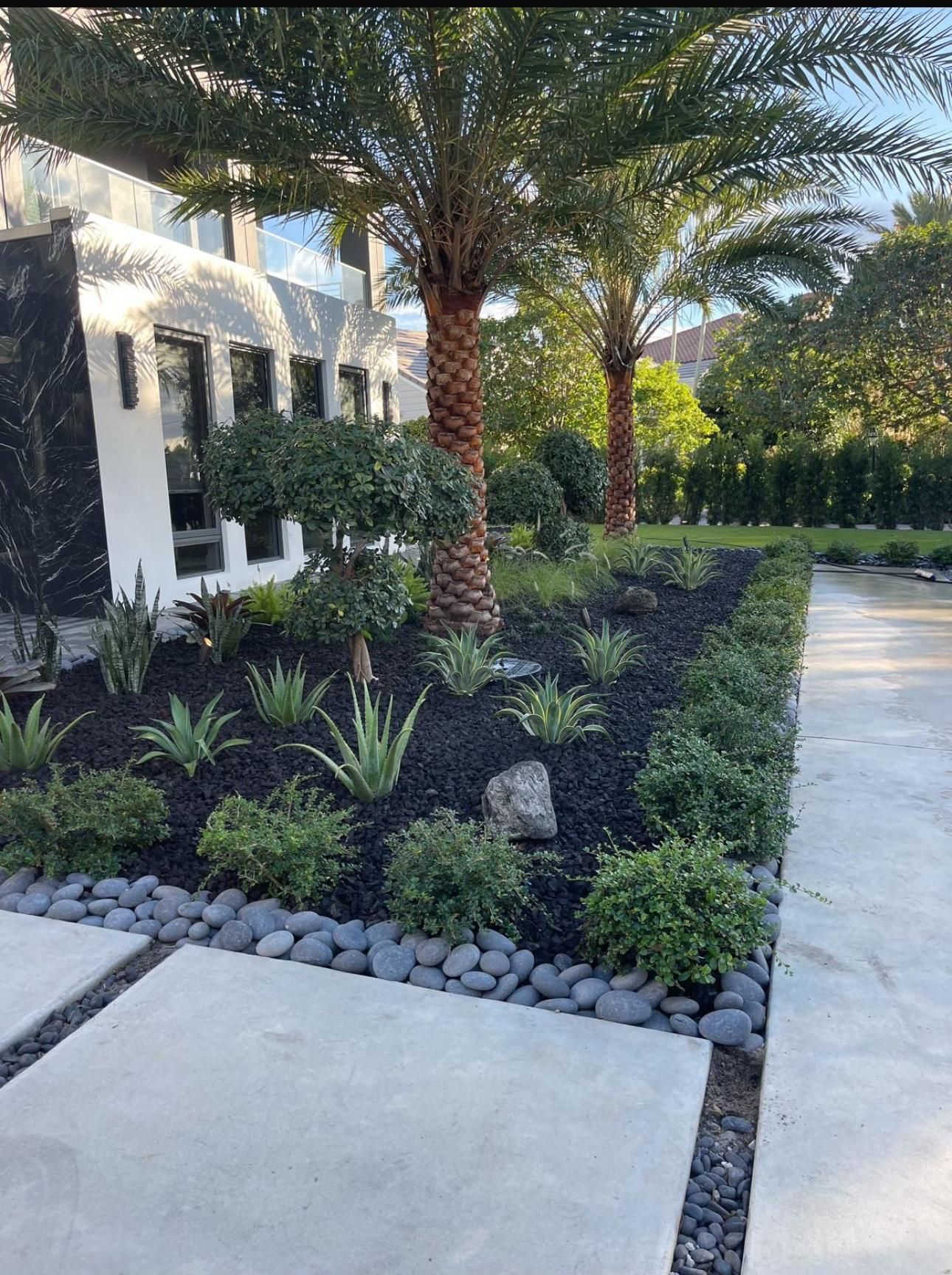
Landscaping plays a central role in outdoor design, bridging the gap between beauty and utility. A thoughtfully planned landscape enhances visual appeal while also serving functional purposes such as shading, privacy, and erosion control. Selecting appropriate plants, trees, and shrubs involves considering climate, sunlight exposure, and maintenance requirements. Professional outdoor design integrates native and low-maintenance species to reduce upkeep while creating year-round interest. Plant placement is carefully considered to frame key focal points, define pathways, and create natural boundaries that improve both aesthetics and organization. According to Workyard, well-planned outdoor spaces can increase a property’s value by 5.5% to 12.7%, highlighting the tangible benefits of thoughtful landscaping.
Designing Pathways and Circulation Areas
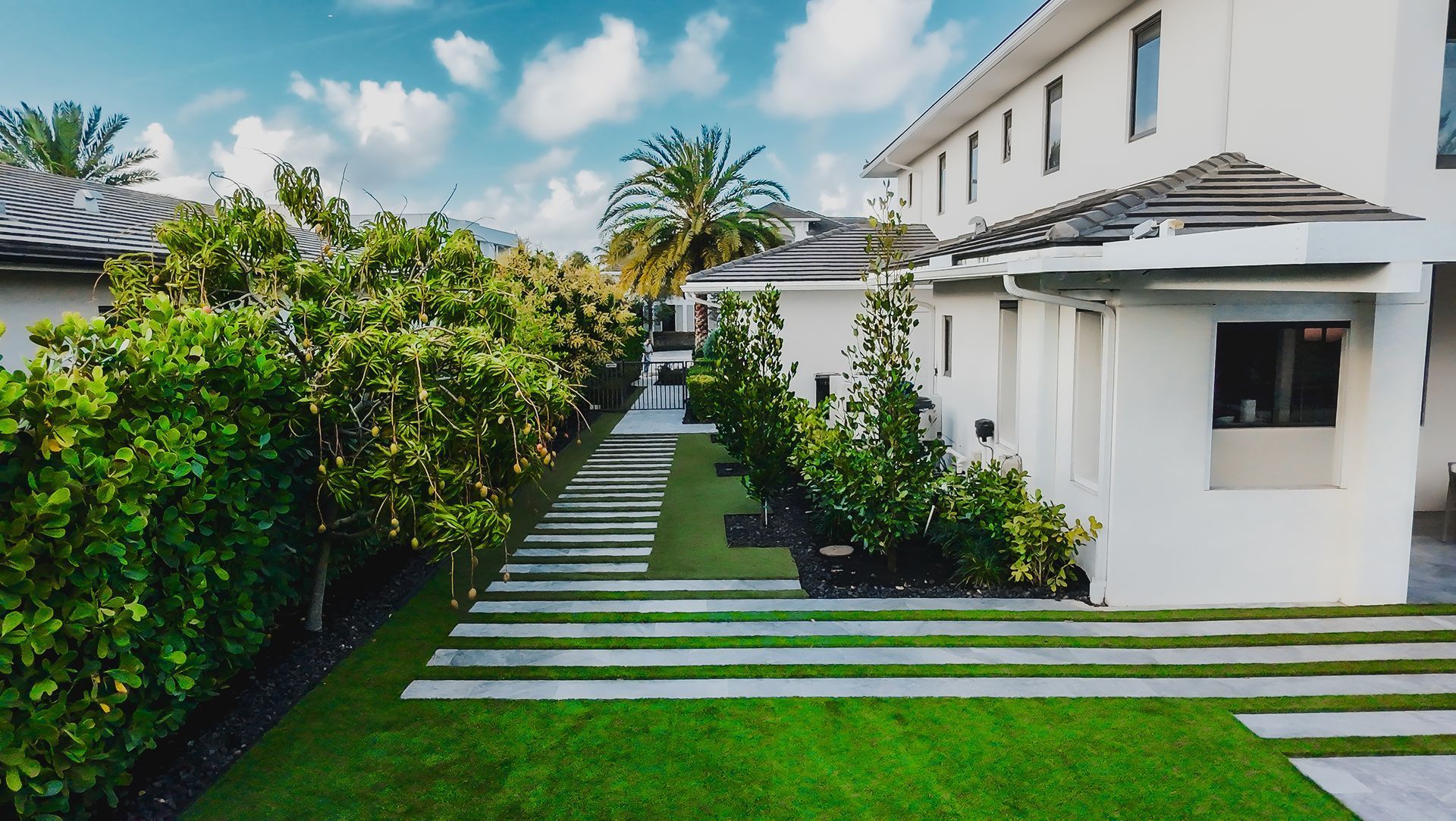
Movement within an outdoor space must be seamless and intuitive. Pathways, stepping stones, and open circulation areas guide visitors while connecting different functional zones. A professional outdoor design ensures that these pathways complement the overall aesthetic and accommodate expected traffic patterns. Material selection, width, and alignment are all critical. Durable surfaces are chosen to withstand weather and foot traffic, while subtle visual cues direct movement naturally. Lighting along pathways can enhance both safety and ambiance, contributing to a sense of balance between beauty and functionality. Proper circulation planning ensures that outdoor spaces feel organized and accessible, supporting both everyday use and special events.
Integrating Functional Structures and Features
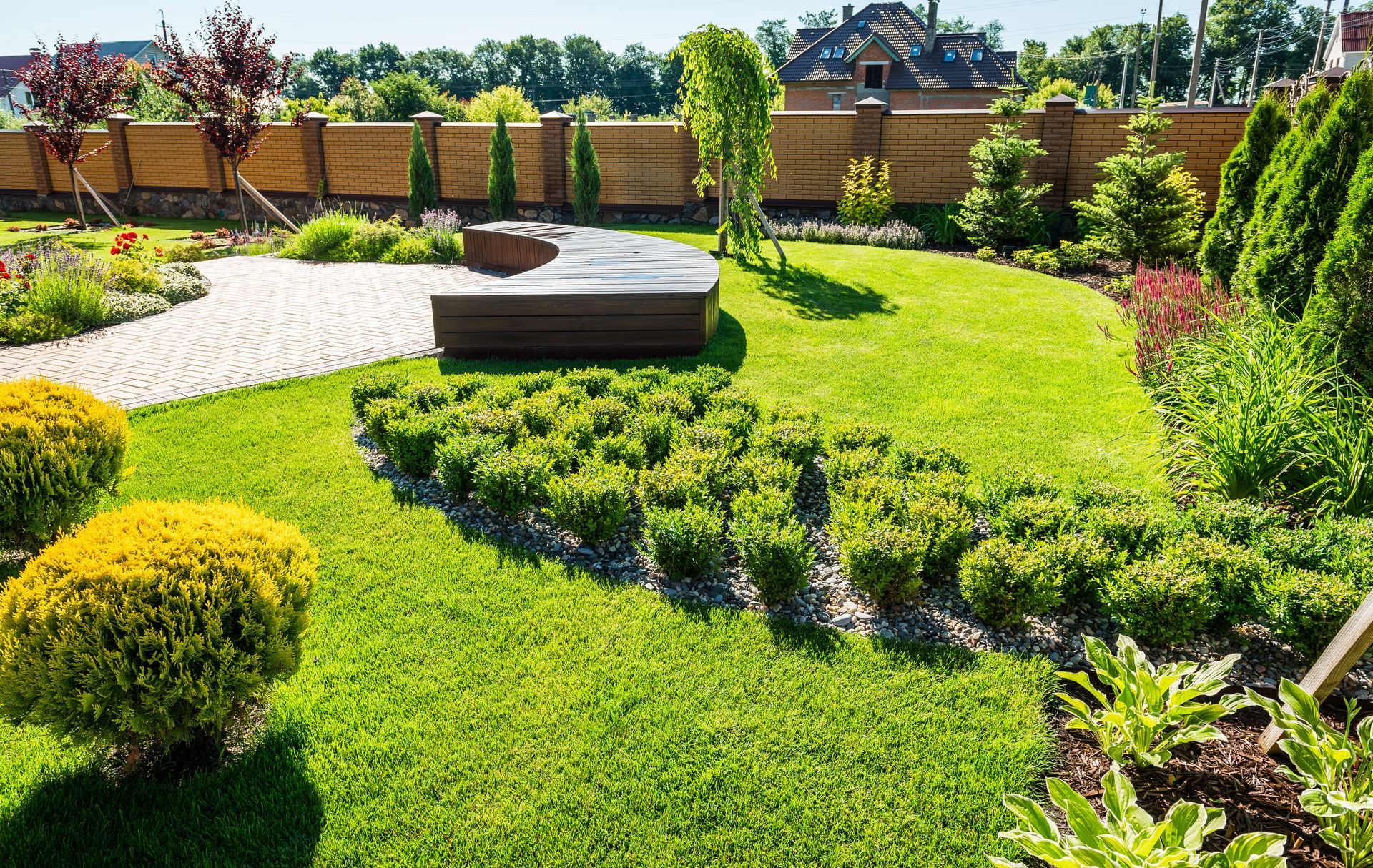
Outdoor design is not just about decorative elements; it also incorporates functional structures that enhance usability. Pergolas, gazebos, patios, decks, and seating areas provide comfort and shelter, making outdoor spaces more versatile. A well-conceived outdoor design strategically places these structures to optimize sun exposure, shade, and accessibility. Storage solutions can be discreetly integrated to maintain visual harmony, and built-in seating or multi-purpose structures can combine form and function. By thoughtfully including structural features, outdoor design ensures that a property is both inviting and practical for daily use, entertainment, and relaxation.
Balancing Hardscaping With Green Spaces
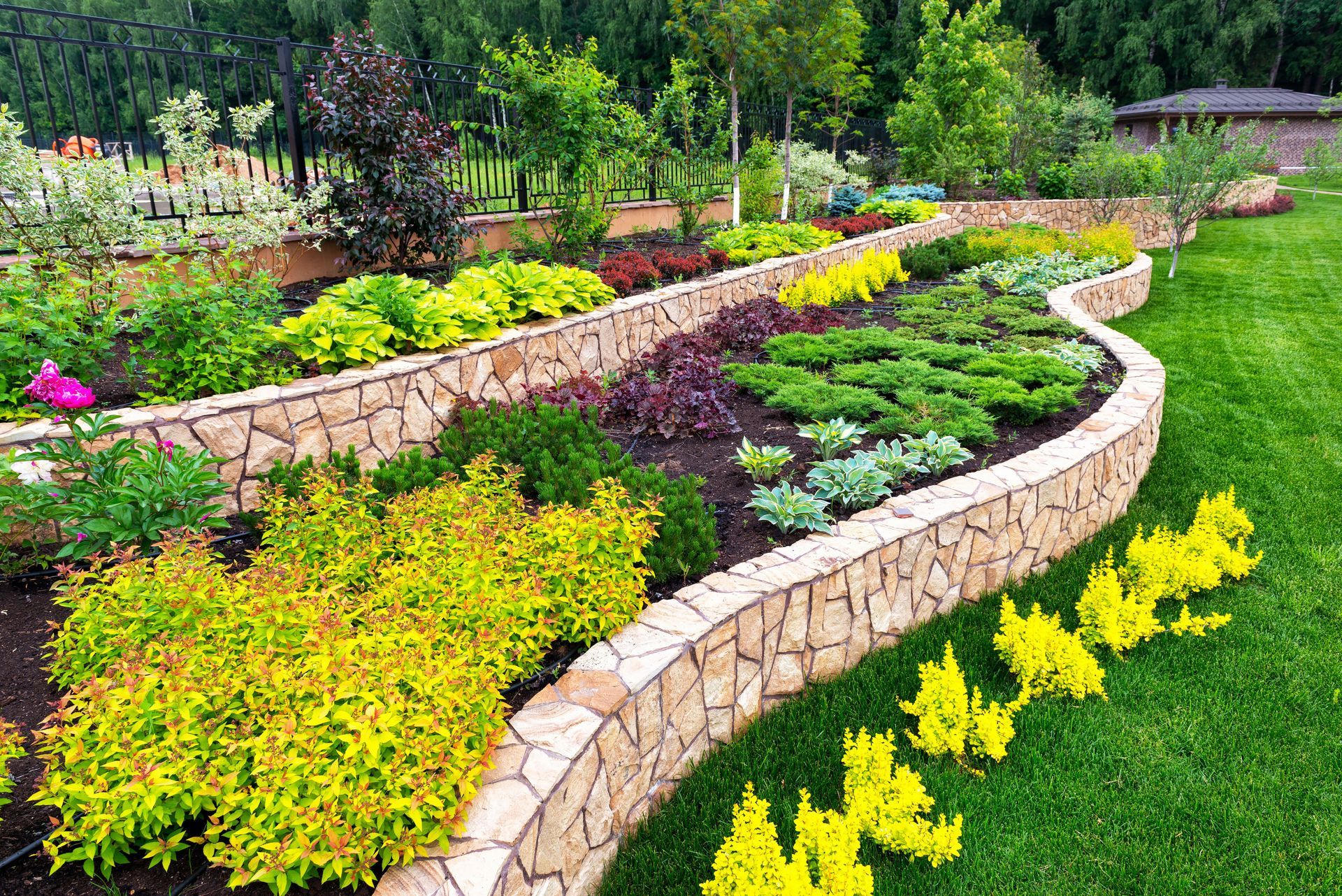
Hardscaping, including patios, retaining walls, and stone pathways, provides stability and structure, but it must be balanced with green spaces to maintain aesthetic appeal. Overuse of hard surfaces can make a yard feel rigid and uninviting, while excessive planting can reduce usable areas. Professional outdoor design achieves equilibrium by strategically mixing hardscaping and greenery. Patios and walkways are positioned for convenience and durability, while lawn areas, gardens, and plantings add softness, color, and texture. This balance ensures that the space feels cohesive and welcoming, blending beauty with practicality.
Incorporating Lighting and Safety Elements
Lighting is a critical component of outdoor design, enhancing both safety and atmosphere. Thoughtfully placed lighting allows outdoor spaces to be used after dark, highlights focal points, and ensures pathways and steps are visible. Designers consider both functional and ambient lighting, using low-voltage fixtures, solar lights, or accent lights to create a cohesive visual effect. Safety is integrated without compromising aesthetics, such as illuminating stairs subtly or highlighting uneven terrain. Professional outdoor design ensures that lighting supports usability while complementing the overall beauty of the space.
Selecting Durable and Low-Maintenance Materials
The materials chosen for outdoor spaces impact both longevity and upkeep. Durable, weather-resistant options reduce maintenance while preserving aesthetic appeal. Patios, walkways, retaining walls, and seating areas benefit from high-quality materials that withstand sun, rain, and foot traffic. A strategic selection of materials allows outdoor design to remain visually appealing over time without requiring constant repairs or replacements. By combining functionality with beauty, the space maintains balance, demonstrating that well-planned outdoor areas are as practical as they are attractive.
Creating Zones for Specific Activities
Dividing outdoor spaces into functional zones helps optimize usability. Separate areas for dining, lounging, gardening, or recreational activities prevent conflicts and enhance the flow of the property. Professional outdoor design strategically places zones based on sun exposure, wind patterns, and accessibility. Focal points, such as fire pits or water features, anchor zones visually while supporting practical needs. This zoning allows properties to serve multiple functions simultaneously without feeling cluttered, reinforcing the harmony between aesthetics and utility.
Incorporating Sustainable and Eco-Friendly Practices
Modern outdoor design emphasizes sustainability alongside beauty and function. Efficient irrigation, native plants, and rainwater management systems reduce environmental impact and maintenance costs. Professionals integrate eco-friendly practices into the design to create resilient outdoor spaces. Water-efficient landscaping and permeable paving help prevent soil erosion and runoff while maintaining a polished appearance. By prioritizing sustainability, outdoor design ensures that properties remain functional and attractive for years to come.
Integrating Technology for Convenience and Efficiency
Technological elements, such as automated irrigation, smart lighting, and outdoor sound systems, enhance the usability of outdoor spaces. Thoughtful integration ensures that these systems complement rather than detract from visual appeal. Professional outdoor design considers placement, accessibility, and energy efficiency when incorporating technology. Automation reduces manual maintenance, while smart controls allow homeowners to manage the space efficiently. By blending technology seamlessly with aesthetics, outdoor design supports both convenience and elegance.
Planning for Seasonal and Long-Term Changes
Outdoor spaces evolve over time with plant growth, seasonal changes, and usage patterns. A professional outdoor design anticipates these changes, selecting adaptable materials, plantings, and structures that remain functional and visually appealing year-round. Designers plan for seasonal color shifts, plant growth, and weather impacts to maintain balance across the entire property. By considering long-term sustainability and adaptability, outdoor design ensures spaces remain functional, attractive, and enjoyable for years, protecting both usability and investment value.
Creating an outdoor space that balances beauty and function requires expertise, careful planning, and attention to both aesthetic and practical considerations. From landscaping and hardscaping to lighting, zoning, and sustainability, professional
outdoor design ensures every element serves a purpose while enhancing visual appeal. Thoughtfully designed outdoor areas improve usability, create inviting environments, and can significantly increase property value.
At Fort Lauderdale Landscaping Company, we specialize in crafting outdoor environments that merge form and function seamlessly. Our team of experts designs spaces that are both visually stunning and highly practical, tailored to your property’s unique needs. Contact Fort Lauderdale Landscaping Company today to elevate your outdoor spaces with professional outdoor design services that prioritize beauty, functionality, and long-term enjoyment.