February 26, 2026
Outdoor spaces are more than visual backdrops—they're living environments meant to be experienced through movement. The way people enter, navigate, pause, and exit a landscape is strongly influenced by its design. Professional landscape design considers how users intuitively move through space, using layout, materials, and focal points to create a natural sense of direction and rhythm. When movement and flow are thoughtfully planned, outdoor areas feel comfortable, purposeful, and inviting rather than confusing or disjointed. Here are 11 key ways professional landscape design shapes movement and flow to create cohesive and engaging outdoor environments.
1. Establishing Clear Entry Points
Movement begins the moment someone approaches an outdoor space, making entry points one of the most critical design elements. Professional landscape designers carefully define entrances using pathways, plant framing, lighting, or architectural features. A clearly marked entry eliminates uncertainty and immediately communicates where visitors should begin their journey.
Well-designed entry points also set expectations for what lies ahead. A wide, gently curving path suggests a relaxed, leisurely experience, while a straight, symmetrical approach conveys formality and order. By controlling first impressions, landscape design helps visitors feel oriented and confident from the outset, encouraging smooth transitions from one space to another.
2. Using Pathways to Direct Natural Movement
Pathways are the most direct tool for guiding movement outdoors. Professional designers select materials, widths, and layouts that match how the space is intended to be used. Primary paths are typically wider and more durable, signaling frequent use, while secondary paths may be narrower and more exploratory.
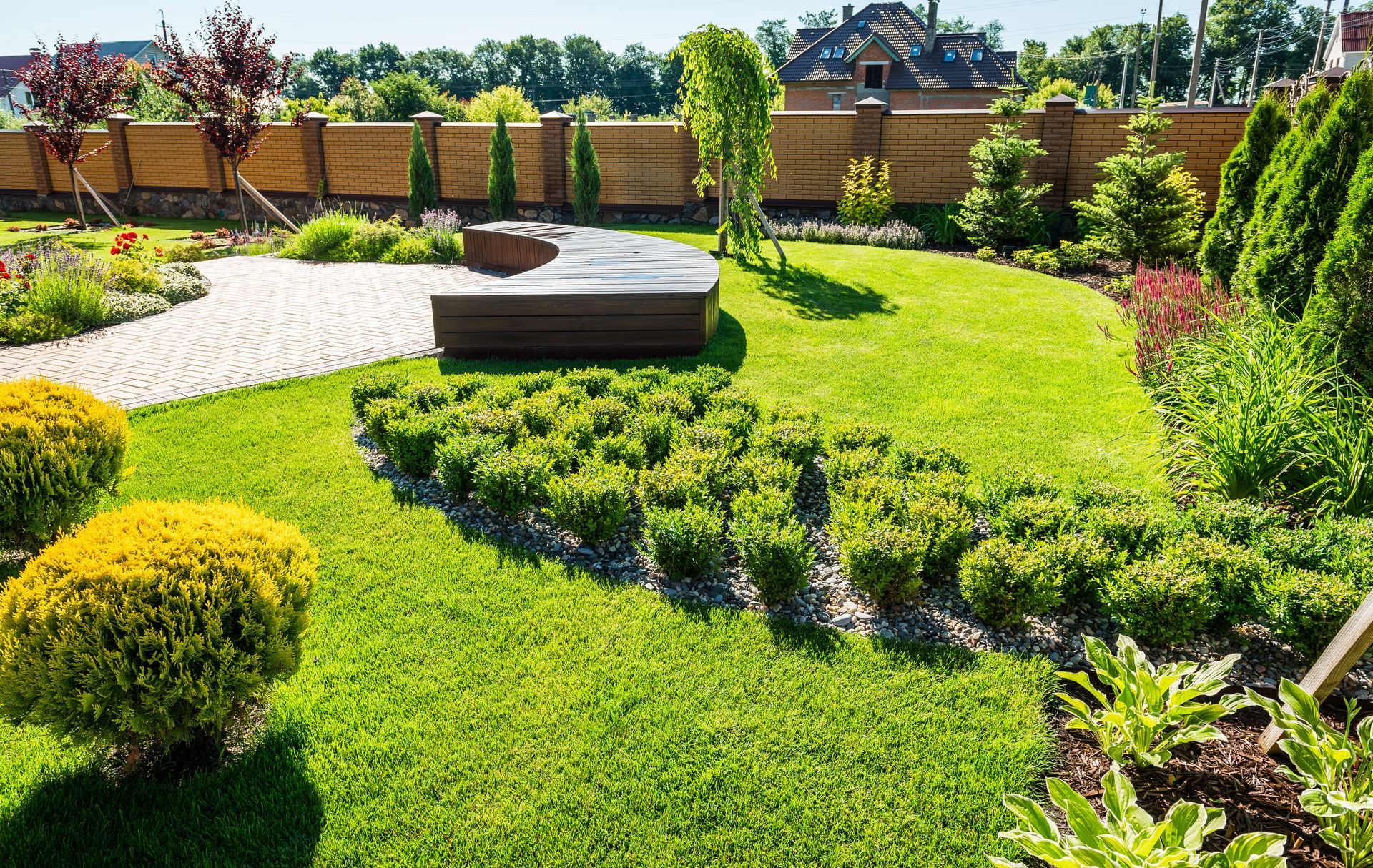
Curved paths slow movement and invite discovery, often leading users through gardens or scenic areas. Straight paths promote efficiency and direct access between key points. By aligning pathways with natural walking patterns, landscape design minimizes wear on lawns and planting beds while ensuring movement feels intuitive rather than forced.
3. Creating Visual Focal Points
People naturally move toward what captures their attention. Professional landscape design uses focal points—such as sculptures, water features, specimen trees, or seating areas—to draw the eye and subtly pull people through space. These visual anchors give purpose to movement and help users understand where paths lead.
Focal points are often placed at the end of pathways, intersections, or transitions between zones. As one focal point is reached, another becomes visible, creating a sequence that guides movement organically. This layered approach keeps outdoor spaces engaging and prevents them from feeling static or overwhelming.
4. Defining Outdoor Rooms and Zones
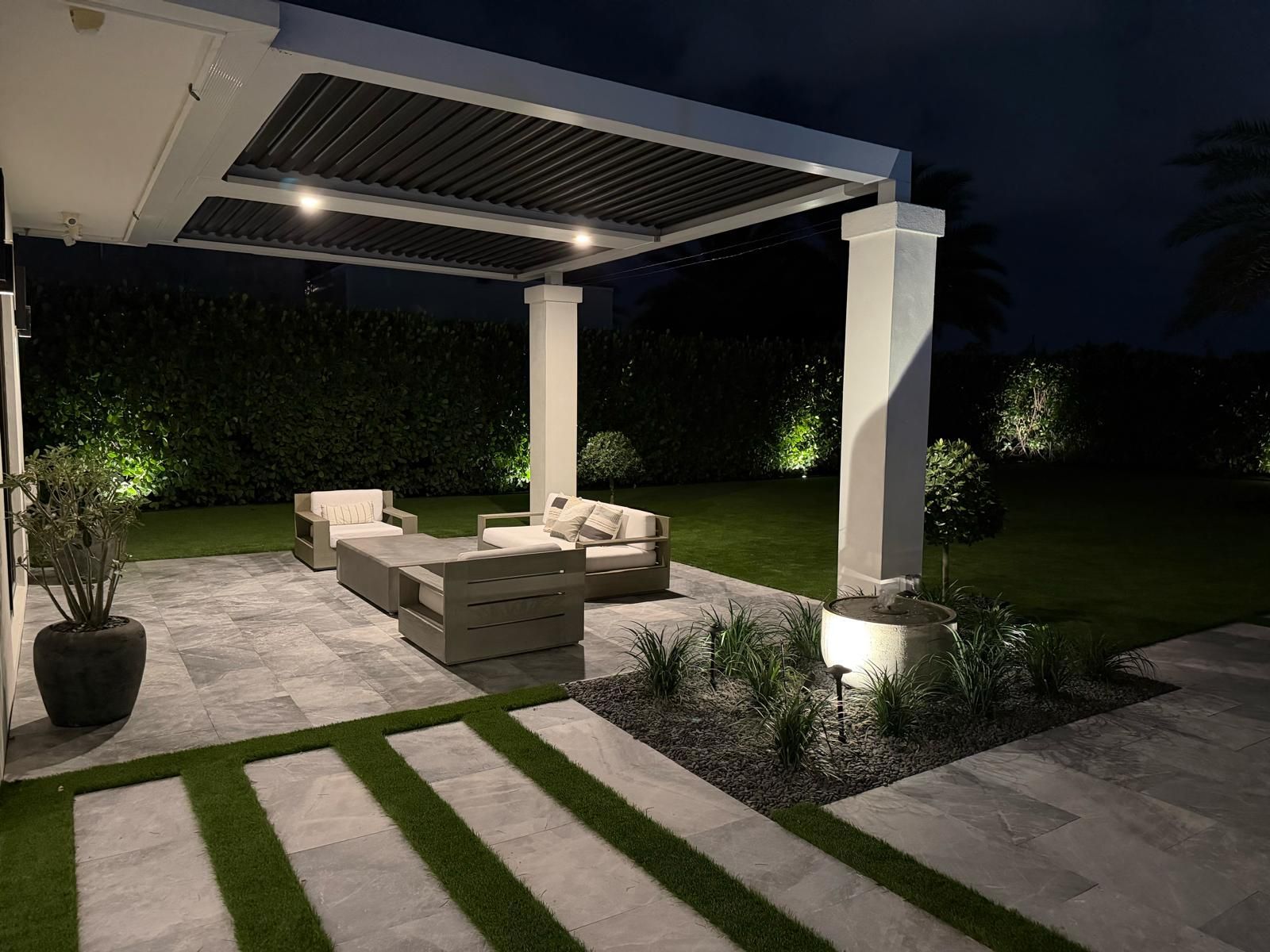
Professional landscape designers often organize outdoor areas into distinct “rooms,” each serving a specific function such as dining, relaxation, play, or gardening. These zones are defined through changes in materials, elevation, plant density, or structures like pergolas and low walls.
Clear zoning helps guide movement by indicating where certain activities belong and how users should transition between them. Instead of wandering aimlessly, people move with purpose from one area to the next. This structured flow makes even large or complex landscapes feel manageable and cohesive.
5. Using Plant Placement to Influence Direction
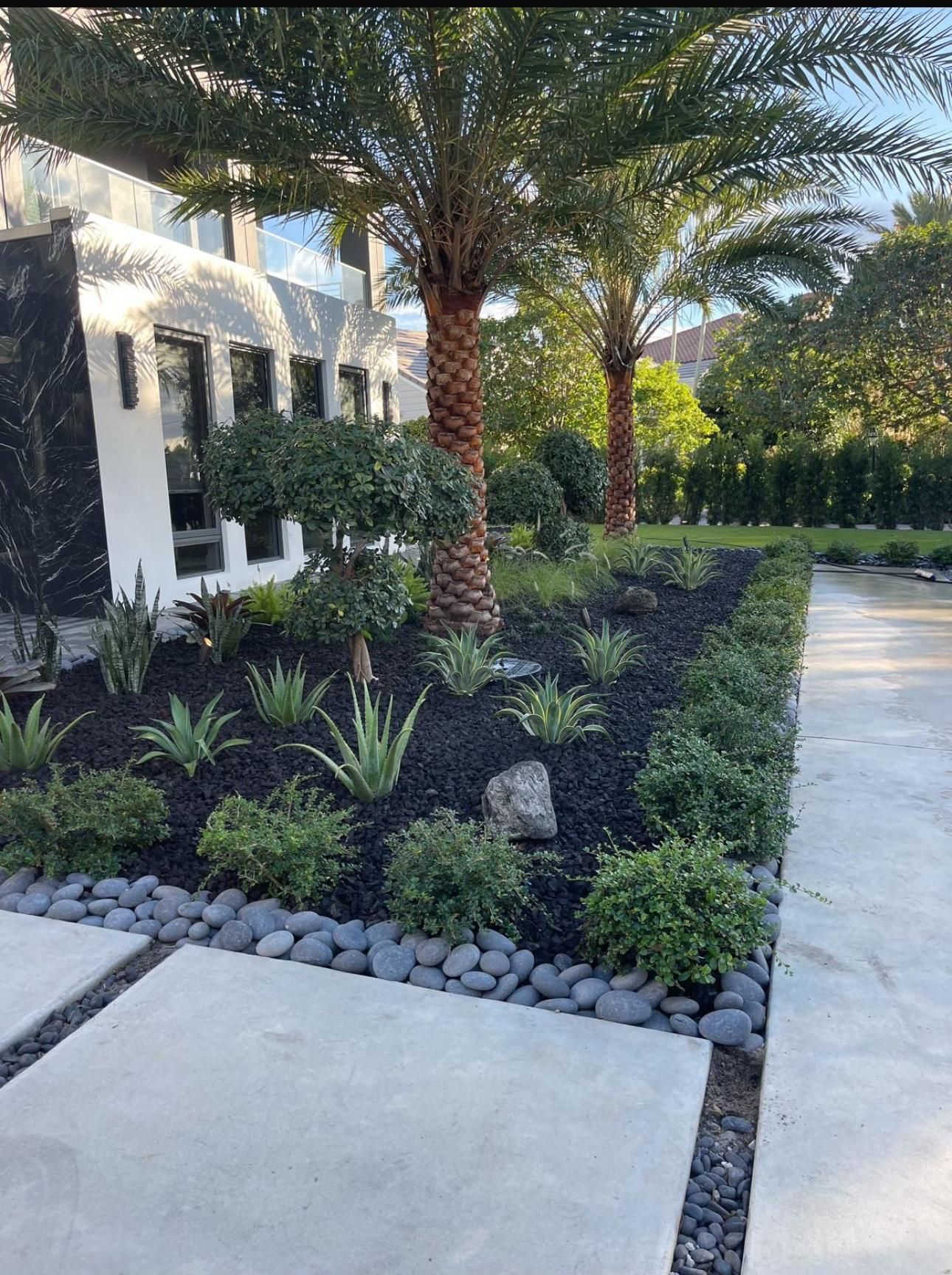
Plants do more than add beauty—they actively shape how people move. Professional designers use plant height, density, and texture to guide or restrict movement. Tall hedges and dense shrubs can block access or frame pathways, while low plantings encourage openness and exploration.
Strategic plant placement can also soften transitions and slow movement near gathering areas. For example, lush borders around seating spaces signal a place to pause and relax. By manipulating plant mass and spacing, landscape design gently nudges users along desired routes without the need for signs or barriers.
6. Incorporating Changes in Elevation
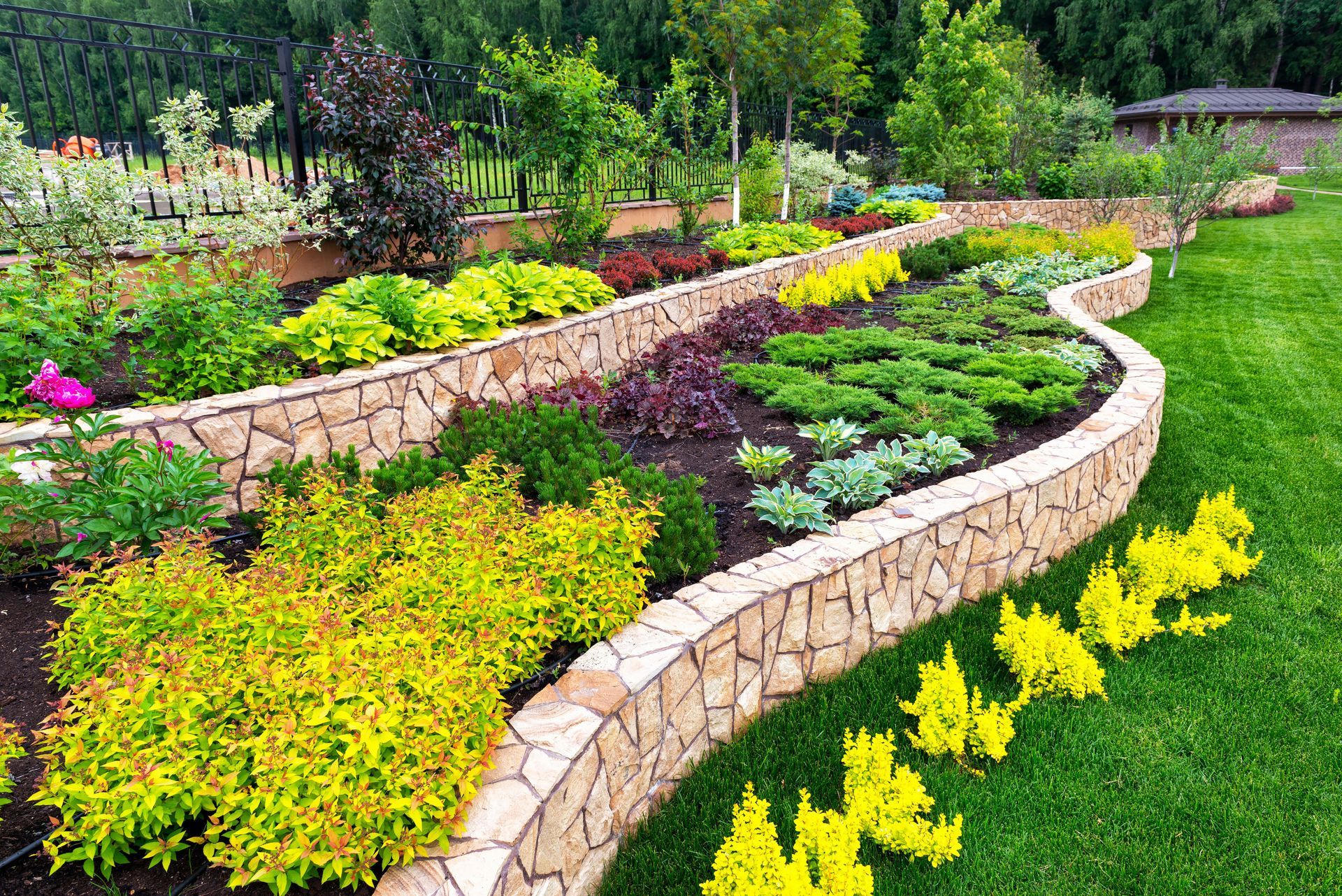
Elevation changes naturally affect how people move through outdoor spaces. Steps, ramps, terraces, and gentle slopes are powerful tools in professional landscape design. When used thoughtfully, they create visual interest while guiding movement in a safe and comfortable way.
Gradual elevation changes slow the pace and encourage users to take in their surroundings, while more pronounced changes can mark transitions between different zones. Designers carefully balance accessibility with aesthetics, ensuring elevation shifts feel intentional and enhance flow rather than disrupt it.
7. Guiding Movement With Hardscape Materials
The choice of hardscape materials plays a significant role in directing outdoor movement. Professional designers use contrasts in texture, color, and pattern to signal where people should walk versus where they should not. Smooth, uniform surfaces typically indicate primary walkways, while rougher or more decorative materials suggest secondary or decorative areas.
Material changes can also define transitions between spaces without physical barriers. For example, moving from stone pavers to wooden decking signals a shift from circulation to relaxation. These subtle cues help users navigate intuitively, enhancing comfort and usability.
8. Aligning Design With Sightlines
Sightlines strongly influence how people move. Professional landscape design aligns pathways, openings, and focal points with natural lines of sight to create a sense of continuity. When users can clearly see where a path leads or what lies beyond, they feel encouraged to continue forward.
Designers often frame views using trees, archways, or structural elements to draw attention and guide direction. Controlled sightlines can also create moments of surprise by revealing features gradually. This balance of clarity and intrigue keeps movement flowing while maintaining visual interest.
9. Encouraging Pauses and Gathering Points
Good movement design isn’t about constant motion—it also includes intentional pauses. Professional landscape designers incorporate seating areas, shade structures, and open clearings where people naturally slow down and gather. These moments of rest break up movement and add rhythm to the overall flow.
Pauses are often placed at scenic viewpoints, intersections, or near focal features. By giving people comfortable places to stop, the landscape feels more welcoming and usable. These gathering points also help prevent congestion by distributing activity throughout the space.
10. Balancing Functionality and Aesthetics
Did you know that, as of 2024, there are about 696,334 landscaping businesses operating in the United States, according to Workyard? When you choose the right team, professionals will seamlessly guide movement by balancing practical needs with visual harmony. Designers consider how many people will use the space, how often, and for what purposes. This functional understanding ensures pathways, transitions, and gathering areas are appropriately sized and positioned.
At the same time, aesthetics play a vital role in encouraging movement. A visually pleasing landscape invites exploration and makes navigation enjoyable. When form and function work together, outdoor spaces feel effortless to move through, creating a seamless experience that supports both beauty and usability.
11. Designing for Intuitive Wayfinding Without Signage
One of the hallmarks of professional landscape design is the ability to guide people through a space without relying on signs or explicit instructions. Intuitive wayfinding is achieved through subtle spatial cues such as alignment, repetition, and hierarchy. When paths widen, narrow, or subtly curve in response to surrounding features, users instinctively understand where they are meant to go.
Designers often reinforce wayfinding by repeating materials, plant palettes, or lighting styles along primary routes, creating a visual language that feels consistent and easy to follow. Secondary routes are intentionally quieter, signaling optional exploration rather than main circulation. This approach reduces confusion, improves comfort, and makes outdoor spaces feel welcoming to first-time visitors. By allowing movement to feel instinctive rather than directed, professional landscape design creates environments that are both functional and effortlessly navigable.
Professional landscape design transforms outdoor areas into thoughtfully choreographed environments where movement feels natural and purposeful. By guiding flow through layout, materials, plants, and visual cues, designers create spaces that are easy to navigate, enjoyable to explore, and adaptable to a wide range of activities. Ready to work with experienced landscape designers in Fort Lauderdale, FL? Contact our team at Fort Lauderdale Landscaping Company for a free quote today!